
Most people pay closer attention to a message from someone they know than to a knock from a stranger or a text from an unfamiliar number. A campaign that uses relational organizing still knocks on doors and sends texts. It adds a second kind of outreach that runs through its volunteers' own relationships. This guide explains how relational organizing works, how to run a small program, what to record, and the consent rules that still apply. It is written for campaigns, party organizations, ballot question committees and advocacy groups of any party or position.
How relational organizing differs from other outreach
Most voter contact is what organizers call cold outreach. A volunteer knocks on the door of someone they have never met, or a texting tool sends a message to a phone number on a list. The campaign decides whom to contact, usually from a voter list provided by a party or a data vendor.
Relational organizing starts from the volunteer instead. Three things change:
- The list comes from the volunteer. Each volunteer writes down the people they know who live in the district or care about the issue.
- The message comes from someone the person knows. The volunteer uses their own words, in a conversation, a phone call or a personal message.
- The record shows the relationship. The campaign notes which volunteer knows each person, so the same person is not asked by five different volunteers, and the follow-up goes back through the right one.
Relational outreach does not replace a campaign's main contact records. Each person a volunteer reaches is still one person in your data, with one history. Our guide on what to look for in a political CRM explains how campaigns keep one record per person across doors, texts and sign-ups, so relational contacts sit beside everything else you know about each voter.
Why campaigns and organizations use it
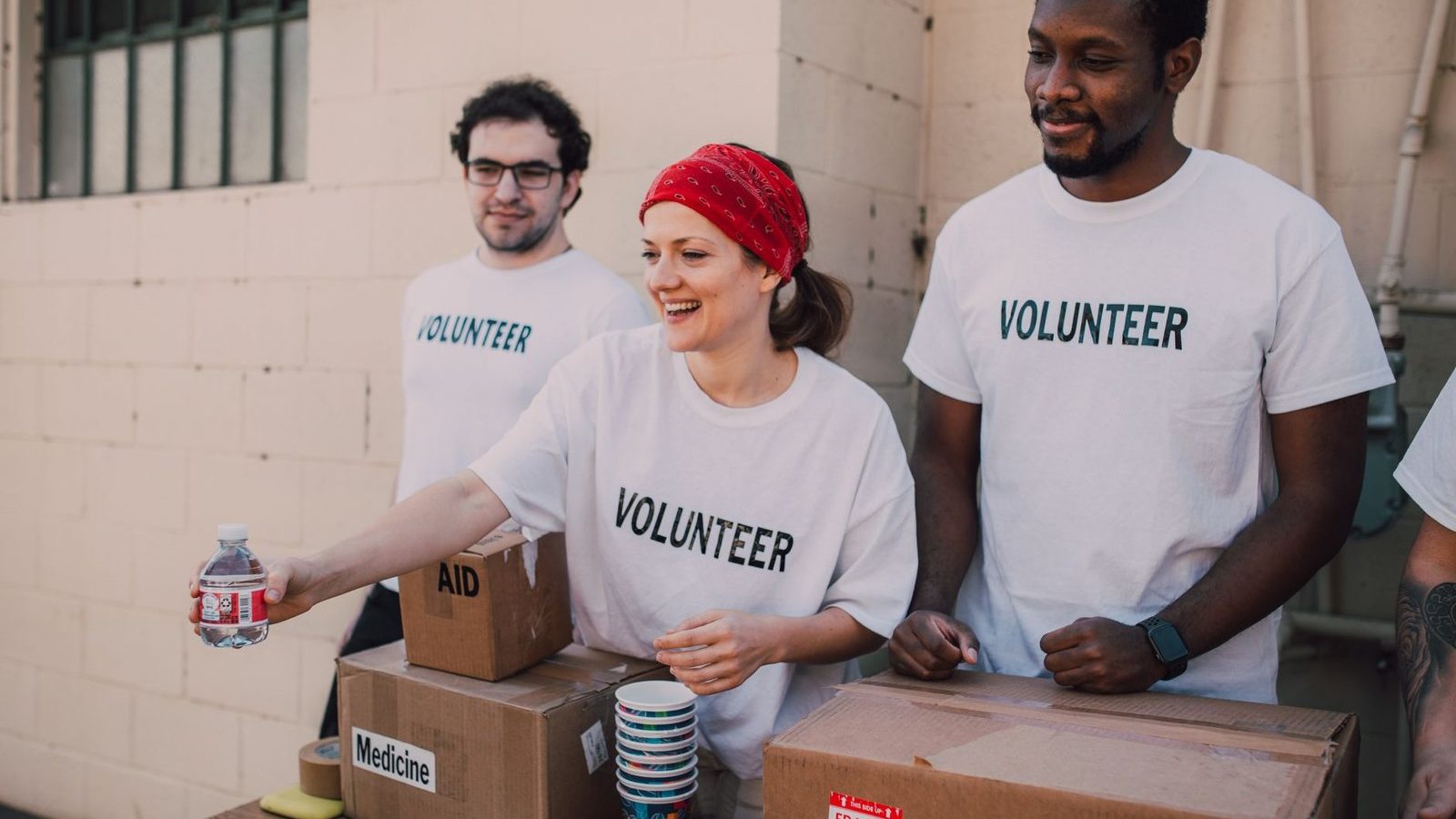
Campaigns and organizations use relational organizing for practical reasons:
- Some people are hard to reach any other way. People who do not open the door to strangers or answer unknown numbers will often answer a friend.
- It gives more volunteers a way to help. Some volunteers who are not comfortable knocking on strangers' doors are willing to talk with people they know.
- The relationships last. A volunteer's neighbors are still their neighbors after election day, so the same relationships can carry the next race or the next campaign on an issue.
- It adds context to the record. Knowing that a voter is a volunteer's coworker tells the next person on your team how to approach them.
Relational organizing also has limits. It reaches only as far as your volunteers' own circles, so it works best alongside door-to-door canvassing, texting and events rather than instead of them.
How to run a relational program
A small program can start with a handful of committed volunteers. The steps below work for a local race, a county party or a ballot question committee.
- Explain the ask. Tell volunteers what you are asking them to do, for whom, and by when. One clear ask works better than several, for example "ask five people you know to vote early."
- Have each volunteer make a list. Ask for the names of people they know, how they know each one, and roughly where each person lives. Volunteers should share only what they are comfortable sharing, and you should never ask a volunteer to hand over the contact list on their phone.
- Check the list against your district. If you have a voter list from your party, a vendor or your election authority, check whether each person lives in the district and is registered. People outside the district can still help in other ways, such as volunteering or spreading the word.
- Agree on the timing. Decide when each volunteer will reach out, and set a date to report back.
- Let the volunteer reach out personally. Give volunteers a short suggested message, and encourage them to use their own words. The point is that the message comes from someone the person knows.
- Collect the results. After each conversation, the volunteer reports who they asked, what the person said and what should happen next.
- Follow up through the same volunteer. When a person needs a reminder or a second ask, the volunteer who knows them is usually the best person to make it.
What to record for each person
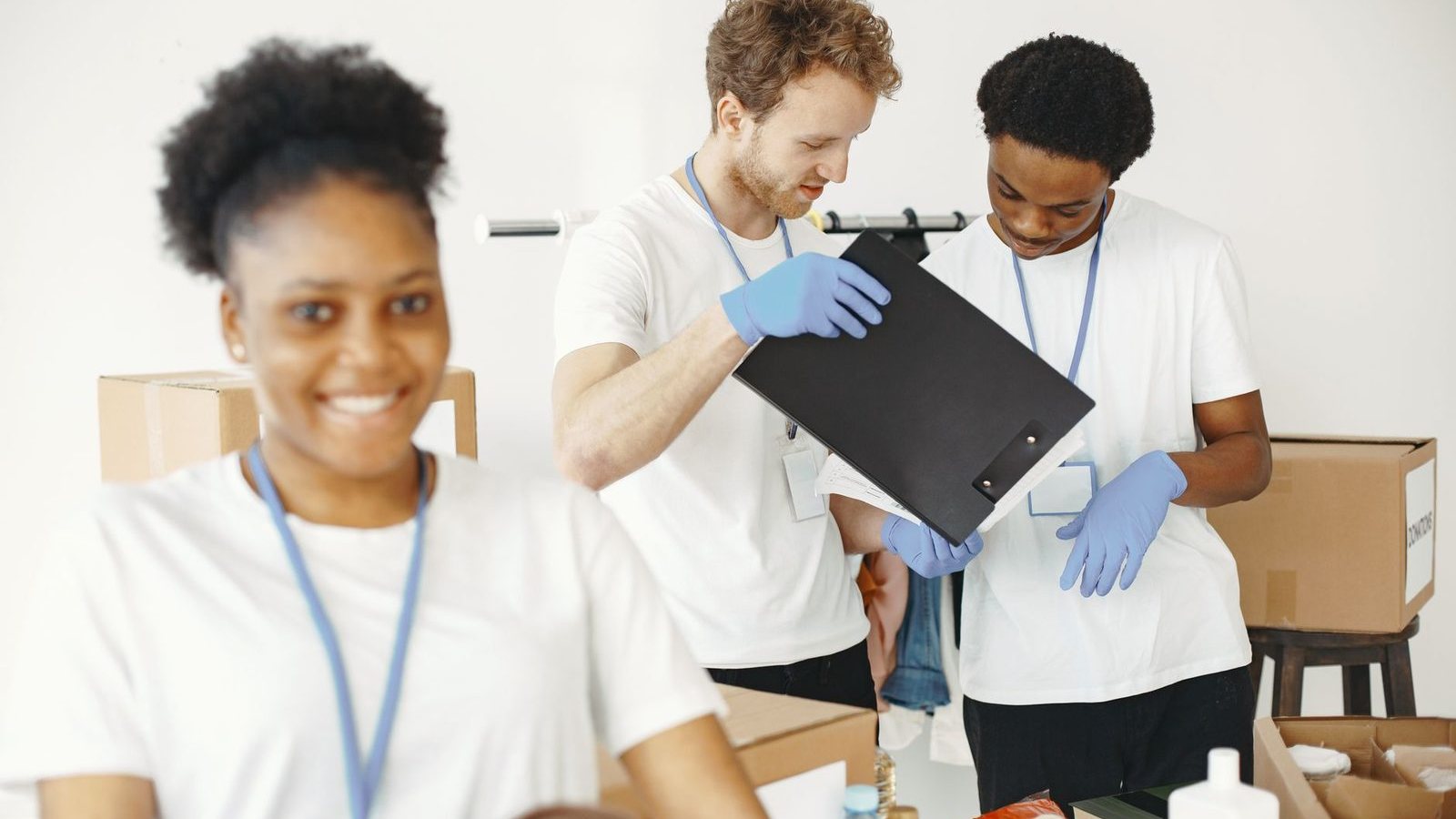
Relational organizing produces information that is easy to lose if it stays in volunteers' heads or on scraps of paper. For each person a volunteer reaches, record:
- Who knows them. The volunteer's name, and how they know each other if the volunteer is willing to say.
- What was asked, and the answer. Each ask and response, with a date.
- The next step. What should happen next, by when, and who is responsible.
- Consent. Whether the person has agreed to hear from the campaign directly by text or email, with the date and the source of that agreement.
Keeping these notes on the person's one record, rather than in a separate relational spreadsheet, means the next canvasser or caller can see that a friend has already talked with them. As people take more steps, such as attending an event or volunteering themselves, the ladder of engagement gives you a way to plan the next ask for each one.
Consent and privacy still apply
A personal message from a volunteer to a friend is different from a message sent by the campaign. When the campaign itself texts or emails someone, consent rules apply. A person whose name appears on a volunteer's list has not agreed to receive the campaign's texts just because a friend wrote their name down. Build a texting list only from people who agreed to receive texts, and keep the date and source of each agreement on their record. Our post on one voter record across petitions, doors and texts explains how to keep consent on the record.
Treat volunteers' lists with care. Tell volunteers what the campaign will do with the names they share, store only what you need, and limit who on your team can see the lists. If a person asks not to be contacted, record it on their record so that no one asks again.
Keeping track of relational outreach in CoreCNX
How an event finds the right record
- An event arrivesFrom Beacon, CampaignCNX+, Alma or email, with a phone number, an email address or both.
- Phone number first(312) 555-0142 and +1 312 555 0142 count as the same number.
- Then email addressChecked when no record has that phone number.
- A new record if neither matchesCreated with the name the product sent.
- Added to the timelineAn event that arrives twice is recorded once.
Keep the relationships on the person's record. In CoreCNX, the CRM in the CNX Suite, you can set up a relational program in a few steps:
- Add each person once. Import each volunteer's list as a CSV or Excel file (a spreadsheet), or add people one at a time. A row that matches an existing record by phone number or email address is skipped or updates that record, so a voter who is already on your list does not become a second record.
- Note who knows whom. Tag each person with the volunteer who knows them, such as "known by Pat R.", or create a custom field for it. Filter your contact list by that tag before the volunteer's next round of outreach.
- Track the ask with pipeline stages. A pipeline is a board of stages you name, such as asked, said yes and followed through. Move each person as the volunteer reports back. Each move is recorded on the person's timeline with its date.
- Set the follow-up. Add a task with a due date and the teammate responsible, so a promised reminder is not forgotten.
If you also text through CampaignCNX+ or knock doors with Beacon, those results are added to the same person's timeline in CoreCNX. A volunteer leader can then open one record and see the friend's conversation, the door result and the text reply in date order. Our page on CoreCNX for political campaigns shows how the record works across a whole campaign.
Common questions
Do volunteers have to share their contacts?
No. Volunteers should decide whom they are comfortable listing and what they share about each person. A short list a volunteer is willing to work through is more useful than a long list they never contact.
Does relational organizing work for nonprofits and ballot questions?
Yes. Any organization that relies on supporters can ask them to reach the people they know, whether the goal is a vote, a sign-up or attendance at an event. The same rules on consent and record keeping apply.
How many people should each volunteer contact?
There is no fixed number. As an example, a campaign might ask each volunteer for ten names and then ask them to reach five of those people before a set date. Start small, see what volunteers can manage, and adjust.
Start with one volunteer's list
Ask one volunteer to list the people they know in your district, record each conversation, and follow up through the same volunteer. Start a 14-day CoreCNX trial, import that list, and see how a single record per person keeps your relational program organized.